No Hot Water? A Step-by-Step Troubleshooting Guide for Gas and Electric Heaters
No hot water in your Marietta home? Use safe, non-invasive checks to describe the problem, understand possible causes and know when to arrange professional service.
Published · R.S. Andrews
A cold shower is no fun anywhere in Marietta, GA, from the neighborhoods around the Earl Smith Strand Theatre to the east side of town.
You step into the shower, and the water stays stubbornly cold. Before you panic, safe, non-invasive observations can help you describe the problem. Repairs involving gas controls, electrical panels, wiring or pressurized water need a qualified professional.
Here's how to work through it logically, starting with the easiest checks.
Step 1: Rule Out the Obvious
- Is it just one faucet? If only one tap is cold, the issue is likely a fixture problem (such as a cartridge or mixing valve) rather than the heater.
- Did you recently have a power outage or gas interruption? A tripped breaker or lost pilot light is a common culprit.
- Is anyone using a lot of hot water? A dishwasher, washing machine, and several showers can drain a tank. Allow the unit its normal recovery time, as described in the manual, and note whether hot water returns.
If You Have an Electric Water Heater
Note Power Interruptions
Write down whether the problem began after an outage. If you already know that a breaker has tripped, tell your technician. Do not open electrical equipment or attempt repeated resets.
Leave Cutoff Resets to a Technician
A high-temperature cutoff can trip when a thermostat or another component malfunctions. A qualified technician should investigate the cause rather than simply reset it. Do not remove access covers to reach the cutoff.
Heating Elements and Thermostats
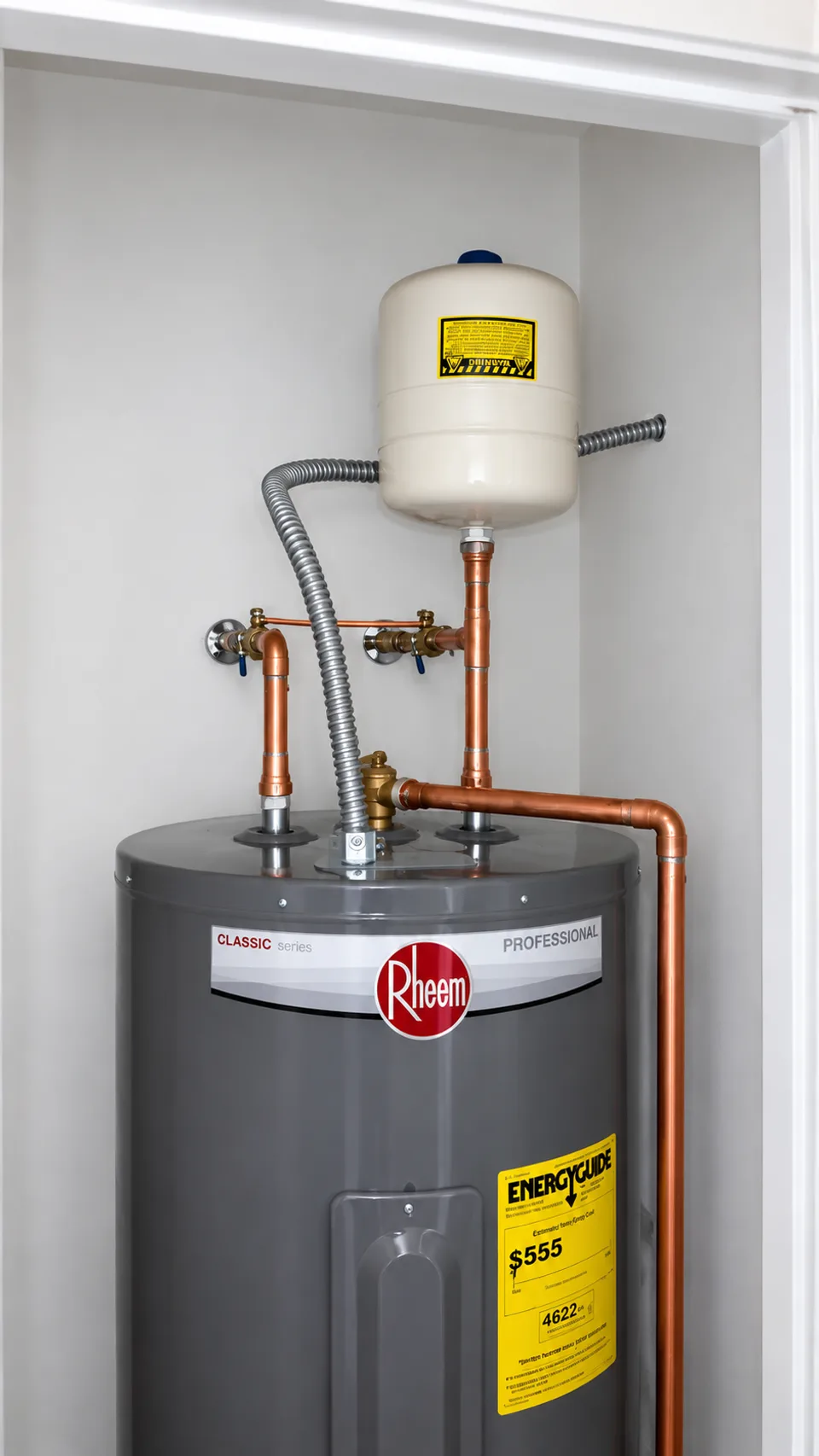
Most conventional electric tanks have upper and lower heating elements. A failed component can cause no hot water or a small supply that runs out quickly. Testing and replacing these parts requires professional electrical safety procedures.
Our electric water heaters page explains these systems.
If You Have a Gas Water Heater
If You Smell Gas
Leave the home without operating switches or attempting to relight the heater. Call your gas utility or emergency services from outside.
Record Indicator Lights or Error Codes
If a display or indicator is visible without opening a cover, note the code and consult the owner's manual. Do not adjust gas valves, attempt ignition or dismantle the burner assembly. A qualified technician can assess the ignition system, gas supply, controls and venting.
Read more on our gas water heaters page.
If You Have a Tankless Water Heater
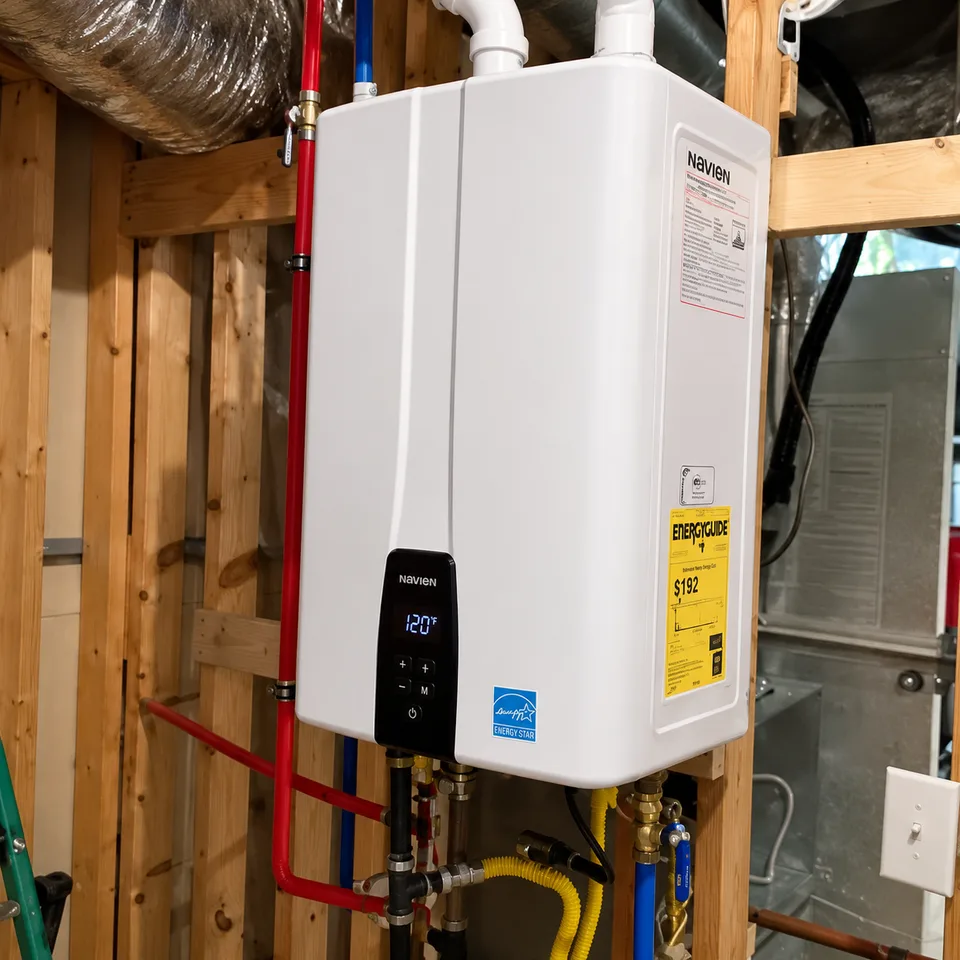
Tankless heaters have their own failure points:
- Error codes: Check the display or LED pattern and consult the manual.
- Supply interruption: Note any recent utility outage and tell the technician. Do not operate gas valves or open electrical covers.
- Minimum flow: Tankless units need a minimum flow rate to fire. A barely open tap may not trigger it.
- Clogged filter or scale buildup: Mineral scale can restrict flow and cause error codes.
- Venting issues: Blocked intake or exhaust can shut the unit down.
Our tankless water heaters page and brand pages for Rinnai, Navien, and Noritz give more context.
Other Possible Causes
Sediment Buildup
Heavy sediment can insulate water from the heat source and cause weak heating, noise, and intermittent hot water. Routine flushing, covered in our maintenance checklist, helps prevent it.
A Broken Dip Tube
The dip tube sends cold incoming water to the bottom of the tank. If it cracks or breaks, cold water mixes with hot water at the top, producing lukewarm output. Replacement is usually simple for a technician.
Thermostat Set Too Low
An incorrect setting or faulty control can affect output. Tell your technician about recent changes and have the setting checked without opening equipment yourself.
Crossed Plumbing Connections
If a mixing valve or single-handle fixture is faulty, hot and cold lines can mix. This is more likely if the problem appears only at one fixture.
A Failed Tank
If the heater is old and leaking, or you see rust and corrosion, the tank may be at the end of its life. Check for moisture around the base, and review the warning signs your water heater is failing.
When to Stop and Call a Professional
Call a licensed plumber if:
- You smell gas or suspect a gas leak (leave first, then call)
- Breakers keep tripping
- A technician has identified a recurring high-temperature cutoff trip
- You see leaking water, rust, or scorch marks
- The pilot won't stay lit
- Any diagnosis requires opening covers or working on gas, electrical or pressure-related components
- The heater is old and failures are becoming frequent
Professional diagnosis is faster and safer for most of these. Our water heater repair and water heater service pages explain what's typically involved.
Repair or Replace?
Component repairs involving thermostats, elements, ignition components or dip tubes can bring a younger heater back to life. But if your unit is approaching or beyond its typical lifespan and the repair bill is climbing, replacement may be the smarter move. Our post on whether to repair or replace your water heater walks through the decision, and our water heater replacement page shows what's next if replacement is the answer.
Safe Checks to Share With Your Technician
- Note whether one fixture or the whole home is affected.
- Record recent utility interruptions and unusual hot water use.
- Write down visible error codes without opening equipment.
- Look from a safe, dry location for moisture, rust or visible damage.
- Arrange professional diagnosis if the problem persists. Do not reset internal controls or attempt gas, wiring or valve work.
Water Heater Service in Marietta
R.S. Andrews serves Marietta homeowners. Explore water heater service or replacement and installation, or call 770-816-8116 to discuss your home's needs and confirm service at your address.