Gas vs. Electric Water Heaters: Pros, Cons, and How to Choose in Marietta
Gas or electric? Compare installation requirements, operating costs, recovery speed, and safety considerations to choose the right water heater fuel type. Serving Marietta, GA.

Published · R.S. Andrews
Whether your Marietta, GA home is near Glover Park or elsewhere in Cobb County, the fuel your water heater uses depends on what your house is set up for.
Once you've decided to replace your water heater, the next big question is fuel type. Conventional gas and electric-resistance water heaters both heat water reliably, but they differ in installation requirements, operating costs, recovery speed, and more.
Here's how to think through the choice for your Marietta home.
The Short Answer
In most cases, the fuel you choose is dictated by what your home already has. A home with an existing gas line and venting is usually simplest to keep on gas. A home without gas service usually stays electric. Switching is possible but can add cost and complexity.
How Gas Water Heaters Work
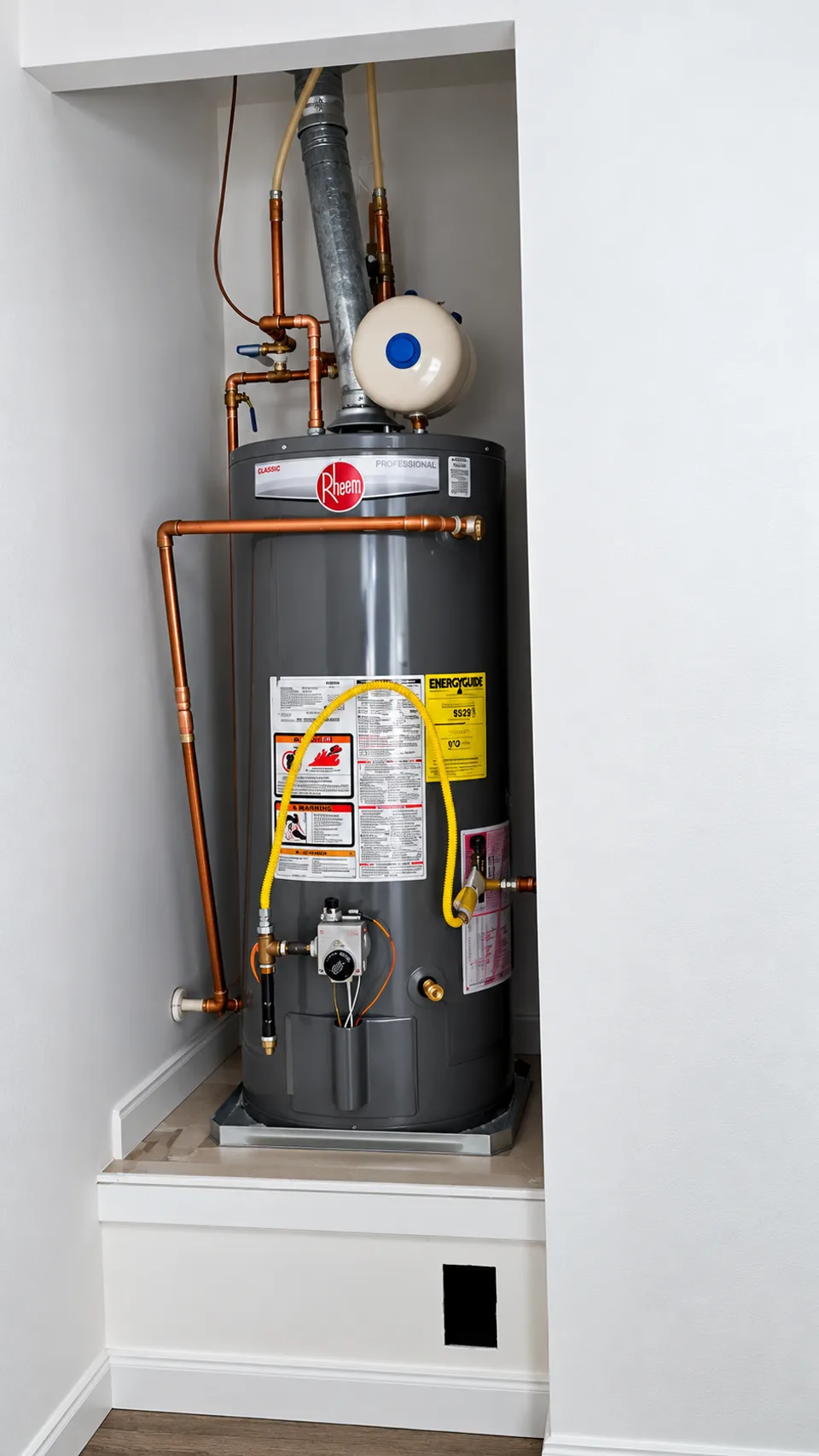
Gas units use a burner at the bottom of the tank to heat water, with exhaust vented outside through a flue or direct vent. They require a gas supply line and proper venting for combustion gases.
Explore our gas water heaters page for more on how they're installed and what to expect.
Advantages of gas:
- Typically faster recovery, meaning the tank reheats quickly after use
- Often lower operating cost per unit of heat where natural gas is available and priced competitively
- Many gas models can still operate during a power outage, depending on the design (models with electronic ignition or powered venting may not)
Disadvantages of gas:
- Higher complexity: gas line, venting, and combustion air requirements
- Potential safety considerations, including carbon monoxide risk if venting fails
- Generally higher installation cost than a like-for-like electric swap
How Electric Water Heaters Work
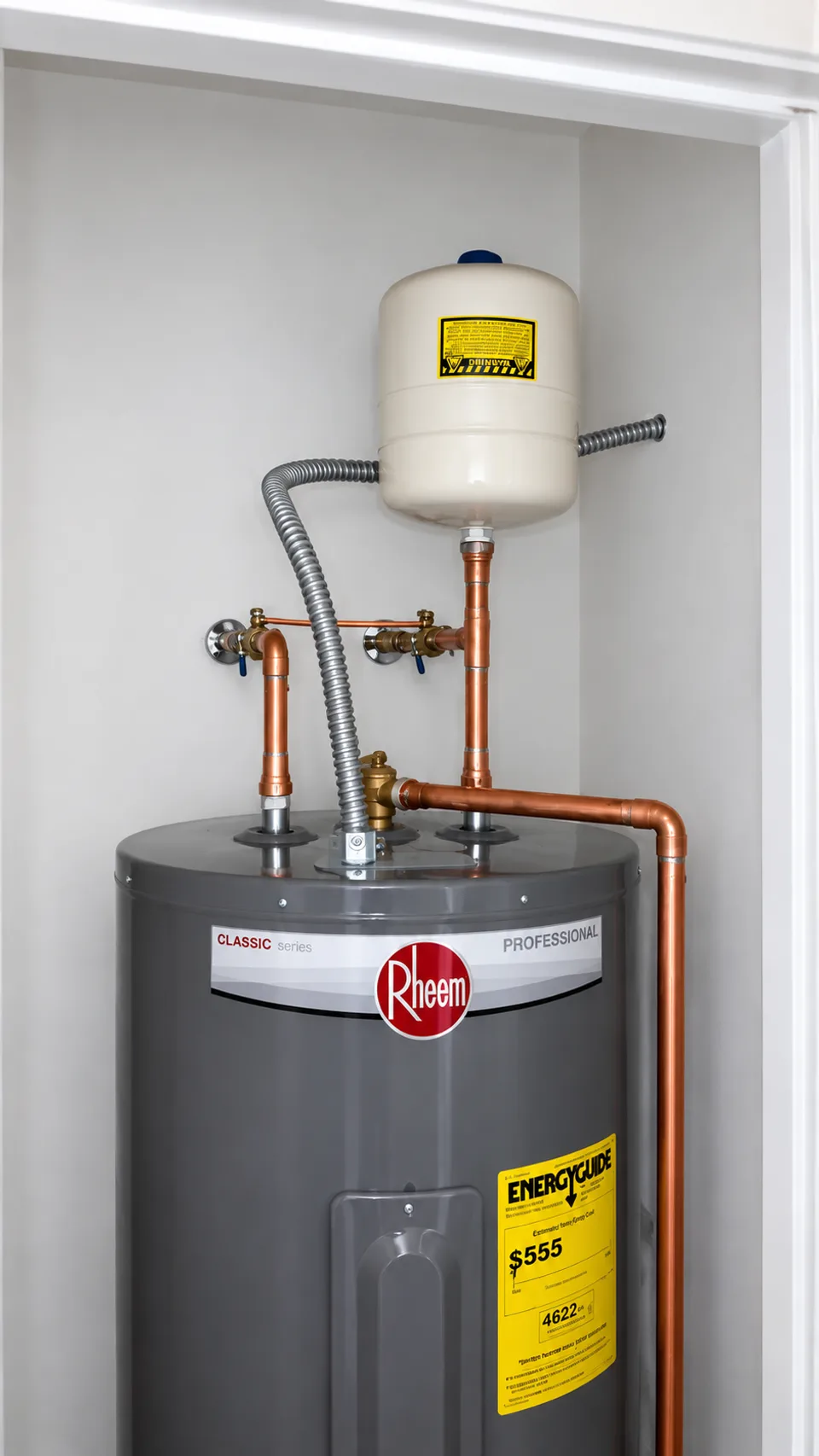
Electric units use one or two heating elements submerged in the tank. They don't burn fuel, so there's no combustion and no flue. They need a properly sized electrical circuit.
See our electric water heaters page for details.
Advantages of electric:
- Simpler installation in many homes, with no venting required
- No combustion, so no flue gas concerns inside the home
- Flexible placement, since there's no vent run to worry about
- Individual elements can often be replaced without replacing the whole unit
Disadvantages of electric:
- Slower recovery compared to many gas units
- Operating cost depends heavily on local electricity rates
- Won't work during a power outage
These comparisons focus on conventional electric-resistance tanks. Heat pump water heaters are another electric option; compare their efficiency, space and airflow requirements separately with your installer.
Recovery Rate and Household Size
Recovery rate describes how quickly a heater can bring a new tank of water up to temperature after you've used the hot water. Gas units usually win here. If your household is large or has high hot water demand, recovery speed can matter as much as tank size.
Start with the basics on our water heater replacement page.
Operating Costs
The "cheaper to run" fuel depends on local utility rates, the efficiency rating of the specific unit, and how much hot water you use. Gas is often cheaper per unit of energy, but not always, and efficiency differences between models can shift the math.
Rather than relying on general claims, compare the energy guide labels on the specific models you're considering and use your actual utility rates.
Safety Considerations
Gas: Proper venting is essential. Blocked or damaged venting can allow carbon monoxide into the home. Carbon monoxide detectors are an important safeguard in any home with gas appliances. If you ever smell gas, leave the home and contact your gas utility or emergency services from outside.
Electric: Electrical work should only be done by qualified professionals. Do not open electrical covers or attempt wiring or element repairs yourself.
Tank or Tankless?
Fuel type applies to both tank and tankless units. Gas tankless heaters need adequate gas supply and venting. Electric tankless heaters can demand significant electrical capacity. Our comparison of tank vs. tankless water heaters covers those tradeoffs, and our tankless water heaters page goes deeper on options.
Should You Switch Fuel Types?
Switching from electric to gas typically requires running a gas line and venting, which can add cost. Switching from gas to electric may require a new circuit and electrical upgrades. For many homeowners, staying with the existing fuel is the practical choice. Switching can make sense in specific situations, such as when a gas line already exists for other appliances or when you're remodeling.
A licensed plumber can evaluate your home and give you specific numbers.
A Simple Decision Framework
- Start with what your home has. Existing gas service and venting make gas straightforward. No gas service points to electric.
- Consider your household's hot water demand. Heavy use favors faster recovery.
- Compare real utility rates and unit efficiency. Don't assume.
- Factor in installation. Venting, gas lines, and electrical capacity all affect total cost.
- Think about the unit's lifespan. See how long different types last in our water heater lifespan guide.
Ready to Compare Brands?
Whichever fuel you choose, brand and model selection matters. Browse our water heater brands page to compare manufacturers such as Rheem, State, and American.
Frequently Asked Questions
Is gas always cheaper to run than electric? Not always. It depends on local utility rates and the efficiency of the specific model, so compare actual numbers for your home.
Can I switch from electric to gas? Often yes, if gas service is available, but you may need a gas line, venting, and combustion air provisions. A licensed plumber can tell you what your home would require.
Which fuel type recovers faster? Gas units typically recover faster than standard electric tanks, which matters for larger households with heavy morning demand.
What if I'm not sure what I have? Check the label on the unit. A gas heater will have a gas supply line and a vent, while an electric heater will have a wiring connection and no flue. If you'd like a professional opinion, start with our water heater service page.
Water Heater Service in Marietta
R.S. Andrews serves Marietta homeowners. Explore water heater service or replacement and installation, or call 770-816-8116 to discuss your home's needs and confirm service at your address.